
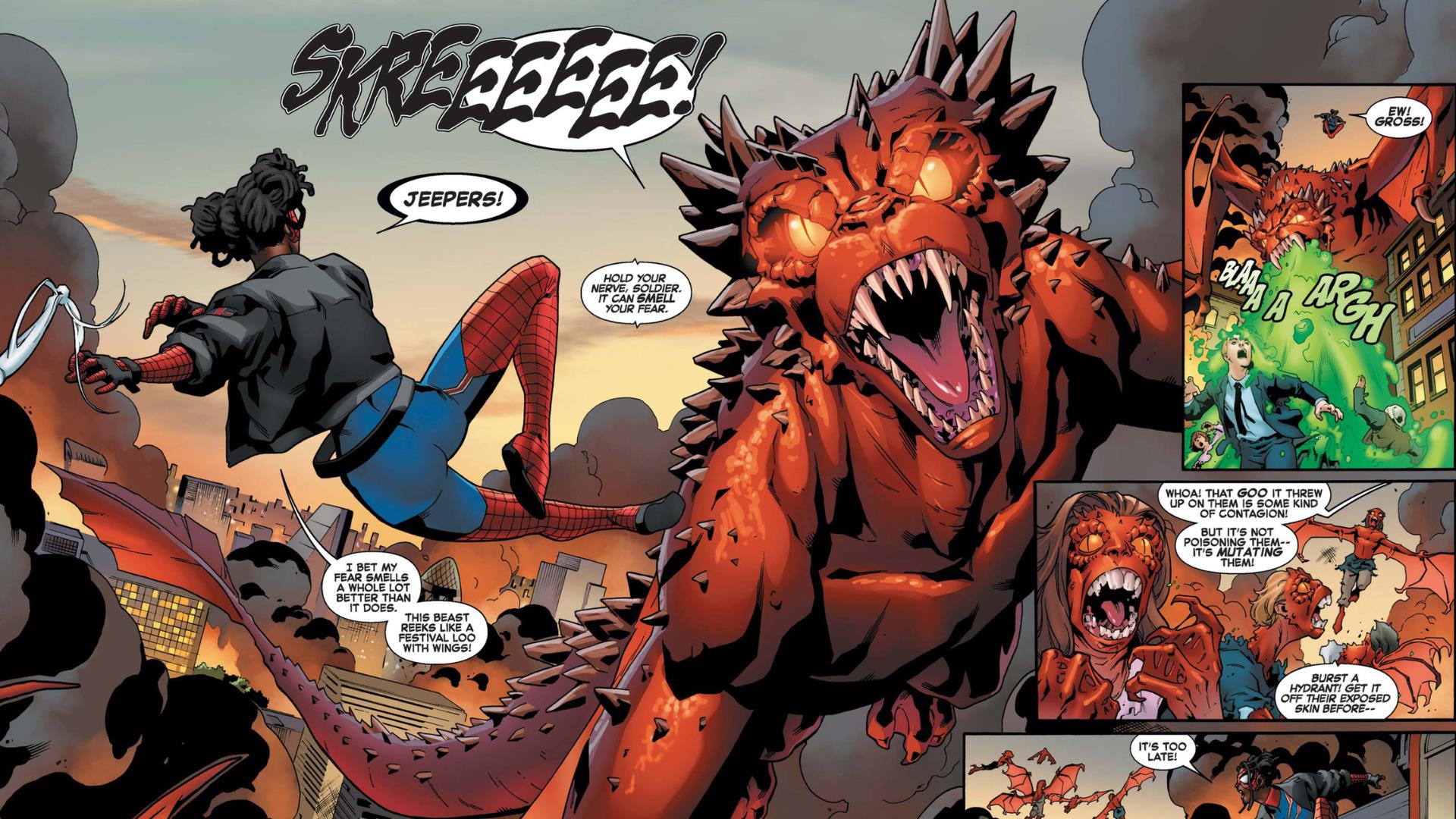
The Art of Comics: A Visual Journey
Comics art is a unique and captivating form of storytelling that combines visual imagery with narrative content. From the colourful pages of superhero adventures to the introspective panels of graphic novels, comic art has the power to transport readers to fantastical worlds and evoke a range of emotions.
At its core, comics art is a marriage of illustration and storytelling. Artists use a combination of lines, shapes, colours, and text to create dynamic visuals that complement the narrative. The layout of panels, the use of speech bubbles, and the pacing of scenes all contribute to the overall impact of the story.
One of the most fascinating aspects of comics art is its versatility. Artists can experiment with different styles, from realistic to abstract, and employ various techniques to convey mood and tone. Whether it’s through bold brushstrokes or intricate linework, each artist brings a unique voice to their creations.
Comics art also plays a crucial role in shaping cultural narratives and reflecting societal issues. Through allegory and metaphor, artists can address complex themes such as identity, politics, and human relationships. By blending visual symbolism with textual depth, comics have the power to provoke thought and spark conversations.
As readers immerse themselves in the world of comics art, they embark on a visual journey unlike any other. The combination of artistry and storytelling creates an immersive experience that engages the imagination and stirs the emotions. Whether it’s through action-packed superhero epics or intimate character-driven dramas, comics art has something to offer every reader.
In conclusion, comics art is a vibrant and dynamic medium that continues to push boundaries and inspire audiences around the world. With its blend of visual flair and narrative depth, comic art stands as a testament to the enduring power of storytelling through images. So next time you pick up a comic book or graphic novel, take a moment to appreciate the artistry behind each panel – for in those pages lies a world waiting to be explored.
9 Essential Tips for Enhancing Your Comic Artistry
- Focus on clear storytelling to guide the reader through the panels.
- Use varied panel sizes to create dynamic pacing and emphasis.
- Develop a unique style that reflects your artistic voice.
- Pay attention to facial expressions and body language for character depth.
- Utilise colour schemes to set mood and tone effectively.
- Experiment with different perspectives for visual interest.
- Ensure lettering is legible and complements the artwork.
- Plan layouts carefully to maintain flow and readability.
- Study anatomy to improve character proportions and movement.
Focus on clear storytelling to guide the reader through the panels.
In the realm of comics art, a crucial tip for creators is to focus on clear storytelling to guide the reader seamlessly through the panels. By crafting coherent visual narratives that flow logically from one panel to the next, artists can ensure that readers are engaged and immersed in the story without confusion. Clear storytelling involves thoughtful panel layouts, effective use of speech bubbles and captions, and strategic placement of key visual elements to maintain a smooth and intuitive reading experience. When artists prioritise clarity in their storytelling, they empower readers to fully appreciate the artistry and narrative depth of each panel, enhancing the overall impact of the comic.
Use varied panel sizes to create dynamic pacing and emphasis.
In the realm of comics art, employing varied panel sizes is a strategic technique that can enhance the storytelling experience. By playing with the dimensions of panels, artists can create dynamic pacing and emphasis within a narrative. Larger panels may slow down the reader’s progression through a scene, allowing for moments of reflection or heightened tension. On the other hand, smaller panels can quicken the pace, conveying a sense of rapid action or building anticipation. This manipulation of panel sizes adds a visual rhythm to the storytelling process, guiding readers through the story with precision and impact.
Develop a unique style that reflects your artistic voice.
To truly stand out in the world of comics art, aspiring artists should focus on developing a distinctive style that embodies their artistic voice. By honing a unique approach to illustration, from character design to panel layout, creators can leave a lasting impression on their audience and establish a recognisable brand. Embracing individuality and experimenting with different techniques will not only set artists apart from the crowd but also allow them to express their creativity in a way that is authentic and engaging. Ultimately, by cultivating a signature style that reflects their personality and vision, comic artists can forge a connection with readers and make a meaningful impact in the ever-evolving landscape of visual storytelling.
Pay attention to facial expressions and body language for character depth.
When delving into the realm of comics art, a crucial tip to enhance character depth is to pay keen attention to facial expressions and body language. These visual cues are powerful tools that can convey emotions, intentions, and personalities with remarkable clarity. By meticulously crafting the subtle nuances of a character’s expressions and gestures, artists can breathe life into their creations, allowing readers to connect on a deeper level and truly empathise with the characters’ journeys and experiences. Mastering the art of capturing authentic facial expressions and dynamic body language adds layers of complexity and richness to characters, elevating the storytelling experience to new heights.
Utilise colour schemes to set mood and tone effectively.
When delving into the realm of comics art, a crucial tip to enhance storytelling is to utilise colour schemes strategically to establish mood and tone effectively. The selection of colours can evoke specific emotions, convey atmosphere, and guide the reader’s interpretation of a scene. By mastering the art of colour usage, comic artists can imbue their work with depth and nuance, creating a visual language that speaks volumes without uttering a single word.
Experiment with different perspectives for visual interest.
To enhance the visual appeal of your comic art, consider experimenting with different perspectives. By varying the angles from which scenes are depicted, you can add depth and intrigue to your storytelling. Whether it’s a dramatic bird’s-eye view or an intimate close-up, changing perspectives can bring new dynamics to your illustrations and engage readers in fresh ways. Don’t be afraid to play with angles and viewpoints to create visually captivating compositions that draw viewers into your narrative world.
Ensure lettering is legible and complements the artwork.
When creating comics art, it is essential to ensure that the lettering is legible and complements the artwork. Clear and readable lettering not only enhances the overall aesthetic appeal of the comic but also plays a crucial role in conveying the narrative effectively. The choice of font style, size, and placement should harmonize with the visuals to guide the reader seamlessly through the story. By paying attention to lettering details, artists can elevate their work and ensure that every word is as visually engaging as the accompanying artwork.
Plan layouts carefully to maintain flow and readability.
When creating comics art, it is essential to plan layouts carefully to ensure a smooth flow and maintain readability for the audience. The arrangement of panels, the pacing of scenes, and the placement of text all play a crucial role in guiding the reader through the story. By thoughtfully considering how each element interacts on the page, artists can enhance the narrative coherence and engage readers effectively. A well-structured layout not only enhances visual storytelling but also contributes to a seamless reading experience that keeps audiences immersed in the world of the comic.
Study anatomy to improve character proportions and movement.
Studying anatomy is a fundamental tip for aspiring comic artists looking to enhance their character proportions and movement within their illustrations. By gaining a deeper understanding of the human body’s structure and mechanics, artists can create more realistic and dynamic characters that convey a sense of fluidity and motion. Mastery of anatomy allows artists to accurately depict poses, gestures, and expressions, adding depth and authenticity to their visual storytelling. Embracing this tip not only refines artistic skills but also elevates the overall quality of comic art by infusing characters with a lifelike presence that engages readers on a visceral level.
Leave a Reply