
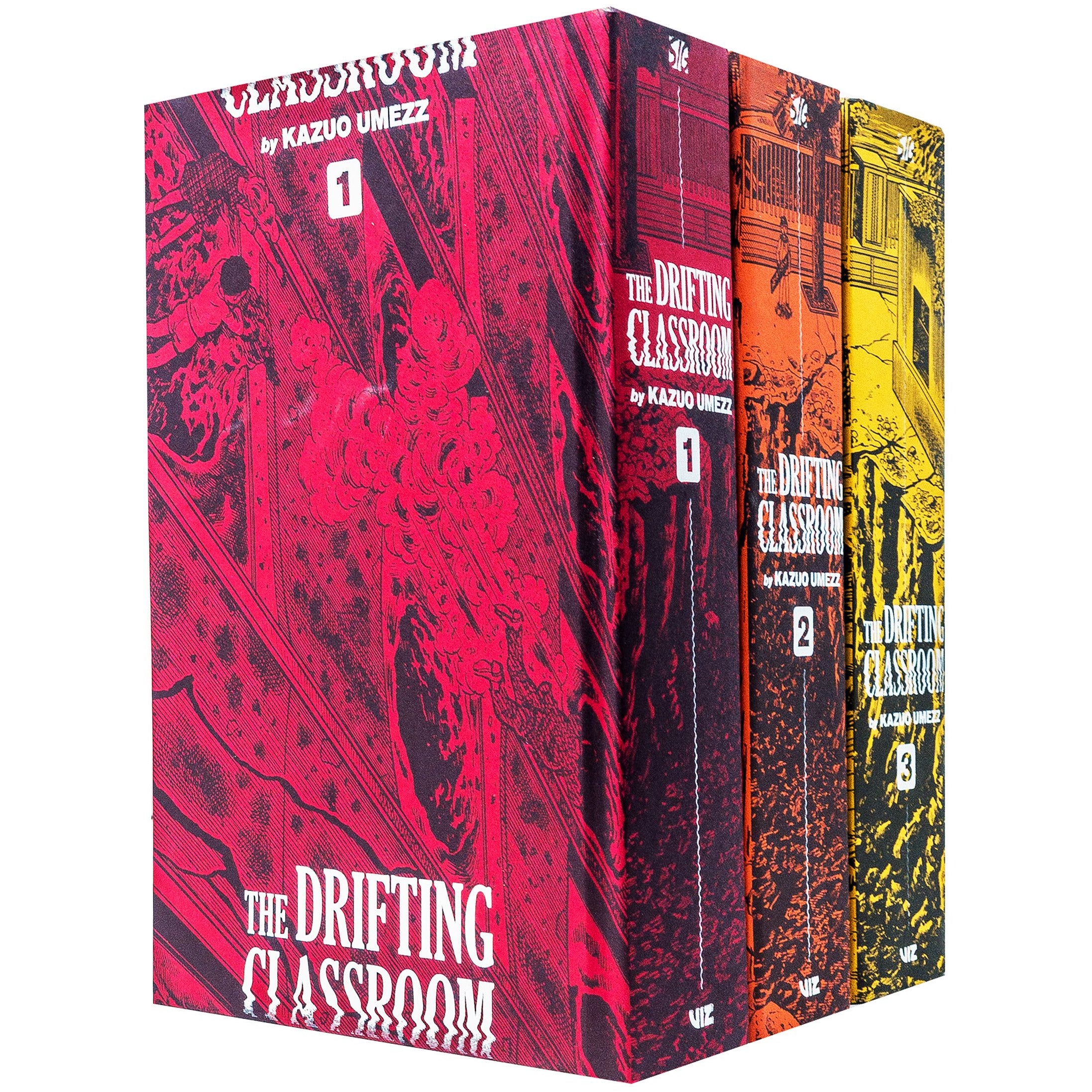
The Drifting Classroom: A Masterpiece of Horror Manga
First published in 1972, “The Drifting Classroom” is a seminal work of horror manga that has captivated readers for decades. Created by Kazuo Umezu, this manga series delves into the depths of terror and psychological suspense with its gripping storytelling and haunting artwork.
The story follows the students and faculty of Yamato Elementary School, who find themselves inexplicably transported to a desolate wasteland devoid of life. Cut off from the outside world, they must navigate this hostile environment while facing internal strife and external threats.
Umezu’s masterful use of suspense and dread creates a palpable sense of unease throughout the series. The stark black-and-white artwork enhances the atmosphere of isolation and despair, drawing readers into a world where survival is uncertain and danger lurks around every corner.
As the characters grapple with their new reality, their humanity is put to the test, leading to moral dilemmas and ethical quandaries that resonate with readers on a profound level. Themes of resilience, sacrifice, and the darkness within us all are explored with nuance and depth.
“The Drifting Classroom” stands as a testament to Umezu’s storytelling prowess and his ability to evoke fear and empathy in equal measure. It remains a classic in the horror genre, influencing generations of manga creators and leaving an indelible mark on fans worldwide.
Whether you are a seasoned manga enthusiast or new to the genre, “The Drifting Classroom” is a must-read for anyone seeking a chilling tale that will linger in the mind long after the final page is turned.
7 Essential Tips for Creating a Dynamic and Engaging Drifting Classroom Environment
- Prepare your classroom layout to allow for more movement and flexibility.
- Incorporate group activities and discussions to keep students engaged.
- Encourage students to take ownership of their learning through independent projects.
- Use visual aids and interactive technology to enhance lessons.
- Implement a variety of teaching strategies to cater to different learning styles.
- Establish clear expectations for behaviour during class transitions and group work.
- Regularly assess student progress and provide timely feedback for improvement.
Prepare your classroom layout to allow for more movement and flexibility.
To enhance the learning environment inspired by “The Drifting Classroom,” educators can consider preparing their classroom layout to promote increased movement and flexibility. By arranging desks and furniture in a way that allows for easy reconfiguration, students can have the freedom to adapt the space to different activities and group dynamics. This approach not only encourages physical movement but also fosters a sense of autonomy and collaboration among students, mirroring the adaptive nature required in navigating the challenges faced by the characters in the manga series.
Incorporate group activities and discussions to keep students engaged.
To enhance engagement and foster a deeper understanding of “The Drifting Classroom,” educators can incorporate group activities and discussions into their teaching approach. By encouraging students to collaborate, share insights, and debate key themes and plot points, teachers can create an interactive learning environment that promotes critical thinking and active participation. Group activities such as role-playing scenarios from the manga or conducting character analyses together can help students connect with the material on a personal level and develop empathy for the characters’ struggles. Through meaningful discussions, students can explore different perspectives, sharpen their analytical skills, and form connections with their peers, enriching their overall learning experience.
Encourage students to take ownership of their learning through independent projects.
Encouraging students to take ownership of their learning through independent projects is a valuable approach that fosters creativity, critical thinking, and self-motivation. By embarking on self-directed tasks related to “The Drifting Classroom,” students can delve deeper into the themes, characters, and narrative of the manga series. This method not only enhances their understanding of the material but also empowers them to explore their interests and express their unique perspectives. Through independent projects, students can cultivate a sense of autonomy and responsibility for their learning journey, leading to a more enriching educational experience overall.
Use visual aids and interactive technology to enhance lessons.
Incorporating visual aids and interactive technology into lessons based on “The Drifting Classroom” can greatly enhance the learning experience for students. By utilising images, videos, and interactive tools, educators can bring the eerie world of the manga to life, immersing students in its haunting atmosphere and compelling narrative. Visual aids can help students visualise key scenes and characters, deepening their understanding of the story’s themes and complexities. Interactive technology, such as online discussions or multimedia presentations, can foster engagement and critical thinking skills, encouraging students to analyse the text from different perspectives and draw connections to real-world issues. By embracing these innovative teaching methods, educators can create a dynamic and immersive learning environment that resonates with students long after the lesson ends.
Implement a variety of teaching strategies to cater to different learning styles.
To optimise learning outcomes in The Drifting Classroom, educators should implement a diverse range of teaching strategies tailored to accommodate various learning styles. By incorporating visual aids, interactive discussions, hands-on activities, and collaborative projects, teachers can engage students with differing preferences for absorbing information. This approach not only enhances comprehension and retention but also fosters a dynamic and inclusive learning environment where all students can thrive.
Establish clear expectations for behaviour during class transitions and group work.
Establishing clear expectations for behaviour during class transitions and group work is essential for maintaining a productive and harmonious learning environment. By setting out guidelines for how students should conduct themselves when moving between activities or collaborating with their peers, educators can promote respect, cooperation, and focus in the classroom. Clear expectations help students understand what is expected of them, reducing confusion and potential disruptions. Consistent reinforcement of these expectations reinforces positive behaviour and fosters a sense of responsibility among students, ultimately enhancing the overall effectiveness of class transitions and group work sessions.
Regularly assess student progress and provide timely feedback for improvement.
In navigating the eerie landscape of “The Drifting Classroom,” a crucial lesson emerges for educators: the importance of regularly assessing student progress and offering timely feedback for improvement. Just as the characters in the manga must adapt to their harsh environment to survive, students thrive when they receive constructive feedback that guides their learning journey. By monitoring their development and addressing areas for growth promptly, educators can empower students to overcome challenges, enhance their skills, and ultimately achieve success in their academic pursuits.
Leave a Reply